
Improve Your Home's Value With Quality Retaining Wall Installation
Retaining walls play a critical role in landscaping, offering both functional and aesthetic benefits. These structures not only prevent soil erosion but also add a visually appealing dimension to gardens and driveways. By effectively managing the landscape, retaining walls can significantly enhance property values. According to Bob Vila, building a retaining wall can add up to 15% to the value of a home, offering a 100- to 200% return on investment. Understanding the transformative power of retaining walls can guide homeowners in making informed decisions about their landscape investments.
Understanding Retaining Walls
A retaining wall is a structure designed to resist the lateral pressure of soil. It is typically used to bind soils between differing elevations, such as on a hillside. These walls create flat spaces on sloped terrain, allowing for new design opportunities in landscaping. Retaining walls are essential in preventing soil erosion and managing water drainage effectively. They serve both practical purposes and aesthetic enhancements to outdoor spaces. When built with quality materials and proper engineering, a retaining wall can remain sturdy for decades, requiring only minimal upkeep to stay attractive and safe.
Exploring Types of Retaining Walls
Retaining walls are categorized into several types based on their construction and functionality. Gravity walls rely mainly on their weight to resist pressure, while cantilevered walls use structural engineering for support. Sheet piling walls are ideal for limited spaces, driving thin panels into the ground, whereas anchored walls use cables or other means of support. Each wall type corresponds with specific landscape needs and structural requirements. Homeowners often consult a landscaping company to compare these options, ensuring the chosen design fits both the terrain and the intended style of the outdoor space.
Choosing Materials for Retaining Walls
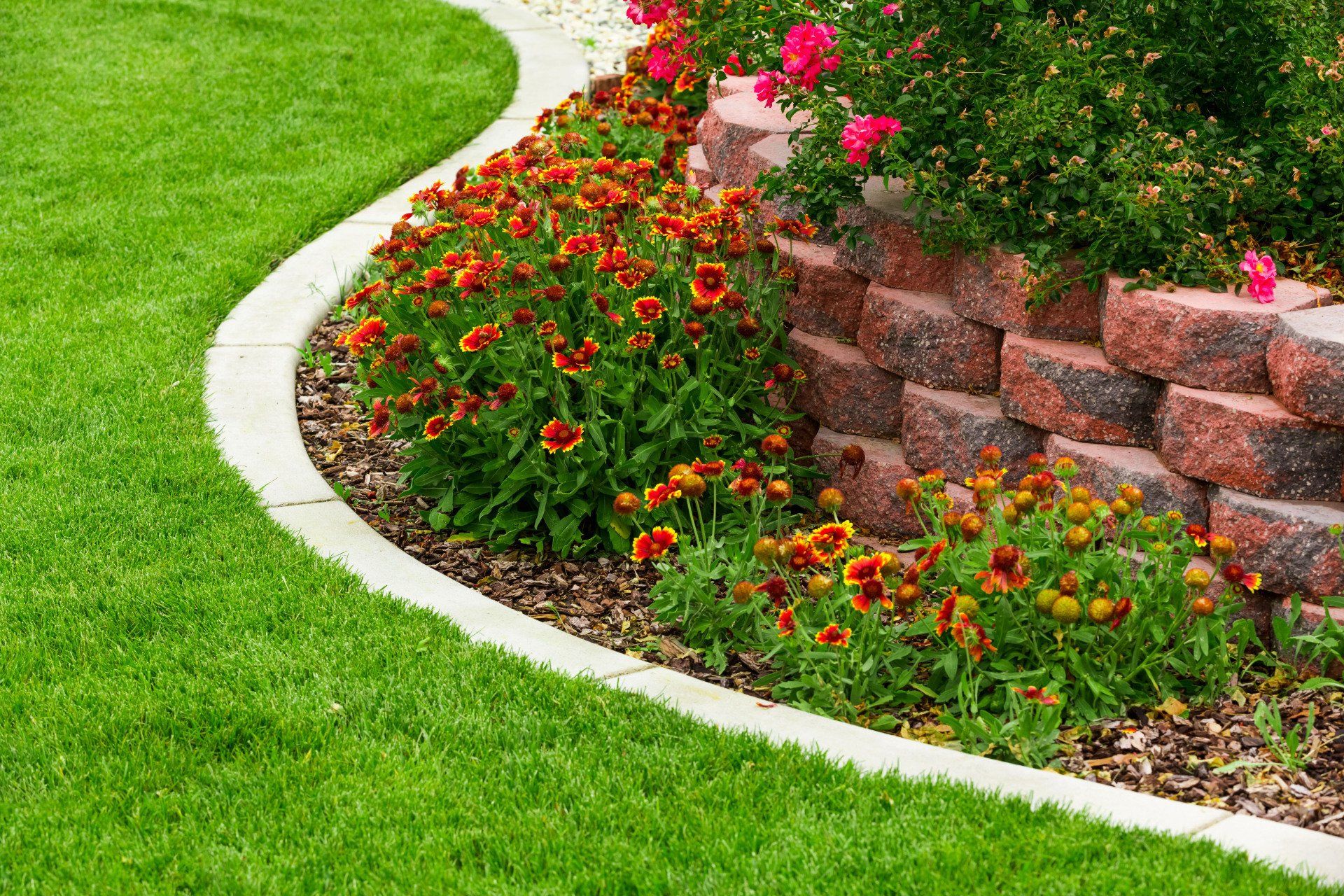
The choice of materials for retaining walls significantly influences their durability and visual appeal. Concrete is a popular option due to its strength and versatility, offering a range of design finishes. Stone presents a natural, timeless look though it may require more maintenance. Brick provides a traditional appearance that can blend well with various home styles, while wood is an economical choice though it may not last as long as other materials. The selection process involves balancing cost, durability, and aesthetics to ensure lasting value.
Recognizing Benefits of Retaining Walls
Retaining walls provide multiple benefits beyond soil erosion prevention. They enhance the aesthetic appeal of a property by adding structure and definition to landscapes. These walls can create level areas that extend usable outdoor space, providing opportunities for gardens, patios, or entertainment areas. By controlling water run-off and preventing soil erosion, retaining walls also contribute to maintaining environmental stability. These improvements often translate into increased property value, providing homeowners with significant returns on investment. A professionally built retaining wall can also serve as a focal point for landscape lighting or decorative plantings, elevating nighttime curb appeal.
Identifying Common Retaining Wall Problems
Despite their numerous benefits, retaining walls can experience several issues if not properly designed and constructed. Drainage problems are common, as inadequate drainage can lead to wall failure. Cracking and bulging may occur due to poor design or material choice, compromising structural integrity. Vegetation overgrowth can also impact the longevity of the wall, requiring regular maintenance. Addressing these potential problems during the planning and construction phases helps ensure long-term stability. Periodic evaluations by a trusted landscaping company can catch early warning signs before they develop into costly repairs.
Assessing Property Needs Before Construction
Before installing a retaining wall, it is crucial to evaluate the specific needs of your landscape. This involves analyzing elevation changes, existing structures, and soil types. Understanding the topography helps determine the type and location of the retaining wall. Considering how the wall will integrate with the rest of the property is essential for a harmonious design. Evaluating these factors allows for a well-planned installation that meets both functional and aesthetic requirements. Thoughtful assessments also help ensure compliance with local building codes and neighborhood guidelines, preventing delays during construction.
Understanding Soil and Drainage Requirements
The soil type on your property significantly influences retaining wall design and construction. Clay retains moisture which can increase pressure against the wall, while sandy soils drain quickly but may not provide sufficient support if not compacted correctly. Proper drainage is equally critical, as failure to manage water flow can lead to pressure build-up and eventual collapse. Installing perforated pipes, gravel backfill, or slight wall tilts helps manage water runoff and ensures a stable structure. A landscaping company can recommend site-specific solutions to protect your investment and maintain long-term performance.
Designing Your Retaining Wall
The style of your retaining wall should complement your home's architecture and landscape. Contemporary designs may lean toward sleek lines and minimalist materials such as concrete or steel. Traditional styles might incorporate natural stone or rustic bricks for a timeless look. Incorporating functional features like steps, seating, or integrated lighting can enhance usability and visual appeal. A skilled landscaping company can guide you in balancing these elements to achieve both beauty and practicality. Careful design not only improves the finished appearance but also allows the wall to blend seamlessly with surrounding garden features.
Budgeting and Selecting the Right Contractor
A successful retaining wall project requires careful budgeting and cost assessment. This involves evaluating material choices, labor costs, and additional features. Allocating funds for unforeseen expenses such as site preparation or structural adjustments is wise. Selecting an experienced landscaping company ensures that the project is completed with quality craftsmanship and adherence to local codes. Reviewing past projects and client references helps homeowners feel confident in their choice of professional support. Transparent communication about costs and timelines keeps the project on track and avoids unpleasant surprises.
Completing the Installation Process
Site preparation is a fundamental step to ensure the successful installation of a retaining wall. Clearing debris, grading the land, and compacting the soil provide a stable base. Constructing a strong foundation with concrete or gravel supports the weight and pressure of the wall. During assembly, each layer is carefully aligned to meet design specifications, and drainage solutions are integrated to prevent water buildup. Finishing touches such as sealants or decorative elements complete the project and provide a polished appearance.
Maintaining and Protecting Your Investment
Regular inspections and maintenance are key to preserving the integrity of a retaining wall. Seasonal checklists help identify issues like cracks, bulges, or drainage blockages. Early detection allows for prompt repairs that prevent costly structural damage. An experienced landscaping company can provide ongoing maintenance services, ensuring your wall remains attractive and functional for years to come. Consistent care maximizes the life span of the wall and maintains its contribution to property value. Simple tasks such as clearing debris and monitoring water flow can greatly extend the wall's durability.
Enhancing Property Value Through Smart Design
Retaining walls significantly enhance a property's curb appeal, transforming sloped terrain into structured and attractive spaces. They create usable outdoor areas for gardens, seating, or recreation, making a home more appealing to potential buyers. According to Bob Vila, building a retaining wall can add up to 15% to the value of a home and deliver a 100- to 200% return on investment. By partnering with a professional landscaping company, homeowners can ensure that their retaining wall offers both beauty and measurable financial benefits.
Retaining walls are vital structures that bring both functional and aesthetic benefits to any property. They correct problematic landscapes, create additional outdoor space, and boost curb appeal while delivering exceptional long-term returns. By collaborating with a trusted landscaping company, you can achieve a retaining wall that is durable, visually appealing, and tailored to your property unique needs. For expert design, construction, and maintenance, contact Lapenta Landscaping today to transform your outdoor space and elevate your home's value.
Share On: